Oops! Something went wrong while submitting the form.
8 Best Subreddit Finder Tools in 2026: Research Reddit Communities by Topic
Reddit has over 100,000 active subreddits — and Reddit's own search is terrible at helping you find them.
Type "productivity apps" into Reddit's search bar and you get posts containing those words, not subreddits about those topics. You might find r/productivity, but you will miss r/ADHD (where productivity discussions happen daily), r/Notion (where tool recommendations thrive), and r/getdisciplined (where the most engaged audience lives). Reddit's search finds text matches. It does not find communities.
This matters whether you are a marketer looking for subreddits where your target audience hangs out, a researcher mapping conversations around a topic, or a regular user trying to find niche communities beyond the defaults Reddit suggests at signup.
The tools in this guide solve that problem from different angles: keyword search, topic mapping, audience analysis, and AI-powered discovery. Some are free. Some replace GummySearch, which shut down in November 2025 and left a gap in the market. All of them find subreddits that Reddit's own search cannot.
How we evaluated
We tested each tool against the same three discovery tasks:
Broad topic discovery. "Find subreddits where people discuss AI-powered productivity tools." This tests whether the tool can go beyond name matching to find communities where the topic is discussed — even if the subreddit name does not mention "AI" or "productivity."
Niche audience finding. "Find subreddits where freelance designers discuss pricing and client management." This tests precision — can the tool filter by audience demographics and discussion topics simultaneously?
Competitor monitoring. "Find subreddits where people mention Notion, Todoist, or ClickUp." This tests whether the tool can identify communities by the entities discussed within them, not just by subreddit metadata.
We also assessed: pricing transparency, data freshness (how current the subreddit activity data is), ease of use (time from signup to first useful result), and whether the tool provides actionable context beyond just a list of subreddit names.
Comparison Summary
8 Subreddit Finder Tools Compared (2026)
Tool
Type
Discovery Method
Pricing
Free Tier
Keyword Monitoring
Best For
Sai
AI agent
Live browsing + content analysis
Free + Pro
Yes
Yes (via workflows)
Research workflows, sentiment analysis
SubHunt
SaaS platform
Keyword search + database
From $49/mo
Trial only
Yes
Reddit marketing, keyword CRM
Subreddit Signals
SaaS platform
URL analysis + buyer intent AI
From $29/mo
Limited
Yes (alerts)
Product marketers, buyer intent
RedditMaster
SaaS platform
AI-powered keyword + audience
From $39/mo
Yes
Yes
GummySearch replacement
Later for Reddit
Free web tool
Post-time analytics
Free
Fully free
No
Optimal posting times
F5Bot
Free bot
Real-time keyword alerts
Free
Fully free
Yes (100 keywords)
Free keyword monitoring
Anvaka Map
Free visualization
User overlap mapping
Free
Fully free
No
Visual cluster exploration
Subreddit Stats
Free web tool
Related subreddits + analytics
Free
Fully free
No
Free analytics, growth tracking
8 Subreddit Finder Tools Worth Using in 2026
1. Sai by Simular
Best for: Subreddit discovery as part of a larger research workflow
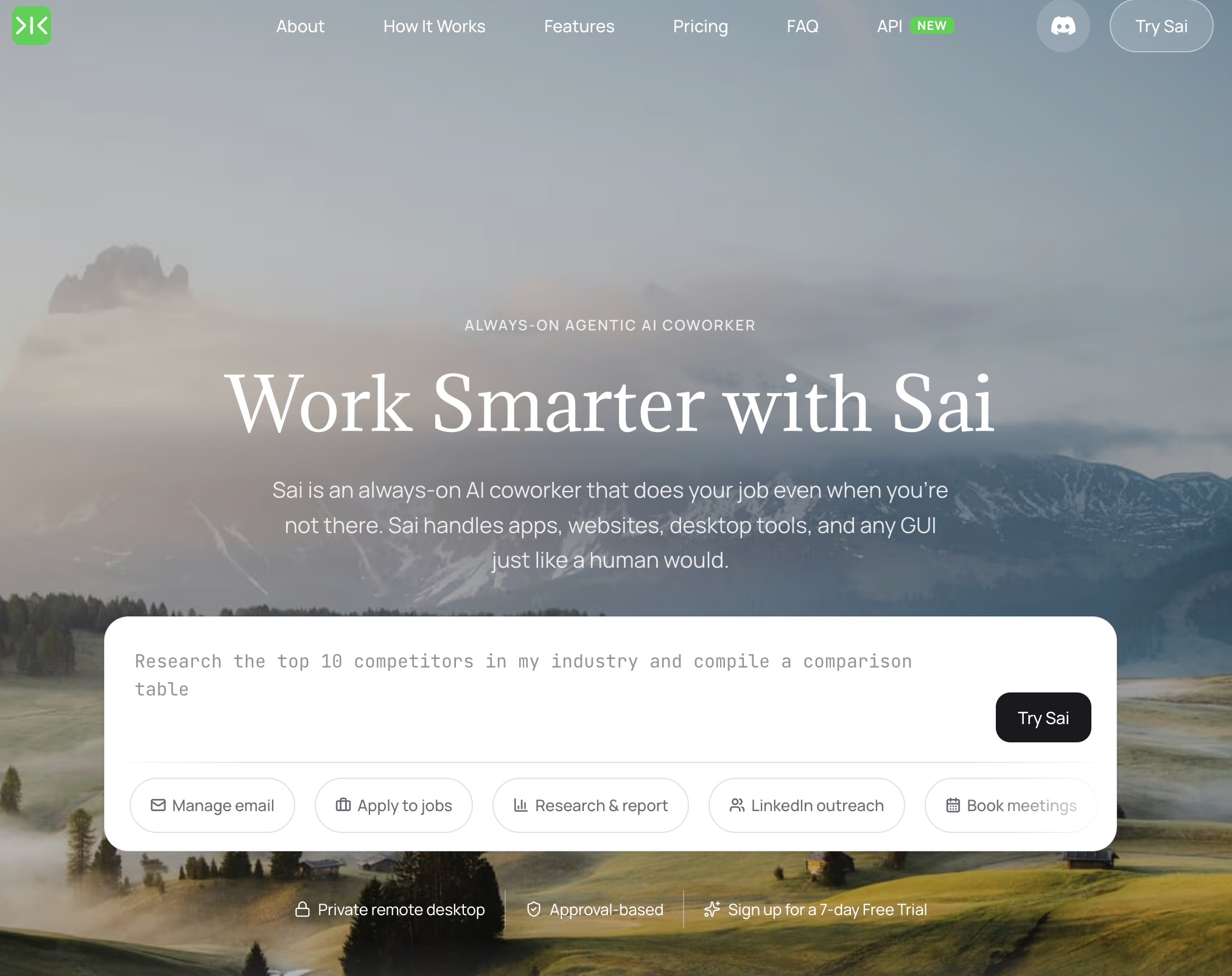
Sai approaches subreddit discovery differently from every other tool on this list. Instead of querying a database of subreddit metadata, Sai browses Reddit like a human user — navigating pages, reading posts, analyzing discussions — and reports back with structured findings.
How it works:
Tell Sai what you are looking for in natural language: "Find subreddits where SaaS founders discuss customer acquisition strategies. Focus on communities with active daily discussions, not dead subreddits. For each one, tell me the subscriber count, typical post frequency, and whether the audience skews toward early-stage or growth-stage companies."
Sai navigates Reddit, checks each candidate subreddit's recent activity, reads sample posts and comments to assess relevance, and returns a structured report — not just a list of names, but a qualified assessment of each community.
What makes it different:
No API dependency. Sai browses Reddit's public-facing website. It is not affected by Reddit's API pricing changes or rate limits that restrict database-driven tools. When Reddit changes its API (as it did in 2023, breaking dozens of tools), Sai's browser-based approach continues working.
Context-aware analysis. Most subreddit finders return a name and subscriber count. Sai reads actual posts and tells you what the community actually discusses, how active it is, and whether the audience matches your needs. This is the difference between "r/startups, 1.2M subscribers" and "r/startups, 1.2M subscribers, but most upvoted posts are Show HN-style launches — the founder strategy discussions you want happen more in r/SaaS (89K) and r/EntrepreneurRideAlong (412K)."
Workflow integration. Subreddit discovery rarely happens in isolation. You find subreddits, then monitor them, analyze sentiment, or collect content. Sai handles the entire chain — discovery flows directly into social listening and audience research without switching tools.
Limitations:
Slower than database queries. Because Sai browses live pages, a discovery task takes minutes rather than seconds. For a quick "what subreddits exist about X?" lookup, a database tool is faster.
Cannot log in to Reddit. Sai browses as an anonymous visitor. Private subreddits and quarantined communities are not accessible.
Best for: Keyword monitoring + subreddit discovery in one tool
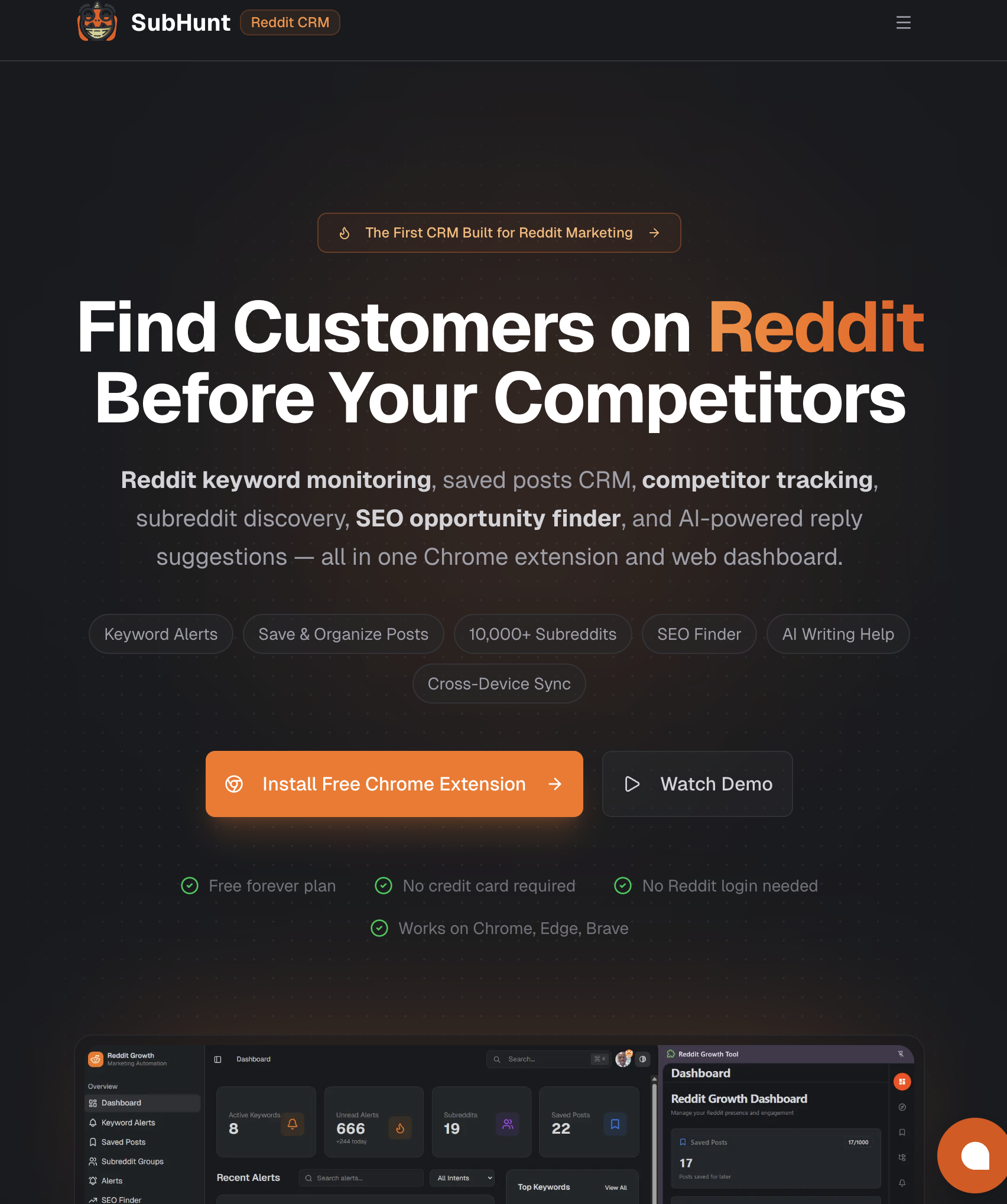
SubHunt (subhunt.io) positions itself as a Reddit-specific CRM and SEO opportunity finder. Its subreddit discovery feature lets you browse 10,000+ subreddits, organize them into groups, and track keyword mentions across your selected communities.
Key features:
Keyword-based subreddit search. Enter a keyword and SubHunt returns subreddits where that keyword appears frequently — in post titles, comment threads, and subreddit descriptions.
Subreddit grouping. Organize discovered subreddits into custom collections (e.g., "Competitor mentions," "Product feedback," "Content ideas"). This turns a one-time search into an organized monitoring system.
Top post analysis. For each subreddit, view the highest-performing posts and analyze what content resonates with that community.
Competitor thread tracking. Monitor when competitors are mentioned in your target subreddits and get alerts.
Limitations:
Primarily designed for marketers. The interface and features are oriented toward Reddit marketing use cases. Casual users looking for personal interest subreddits may find it overcomplicated.
Paid tool. Free trial available, but full functionality requires a subscription.
Pricing:
Free trial. Paid plans from $49/month.
3. Subreddit Signals
Best for: AI-powered subreddit scoring for product marketers
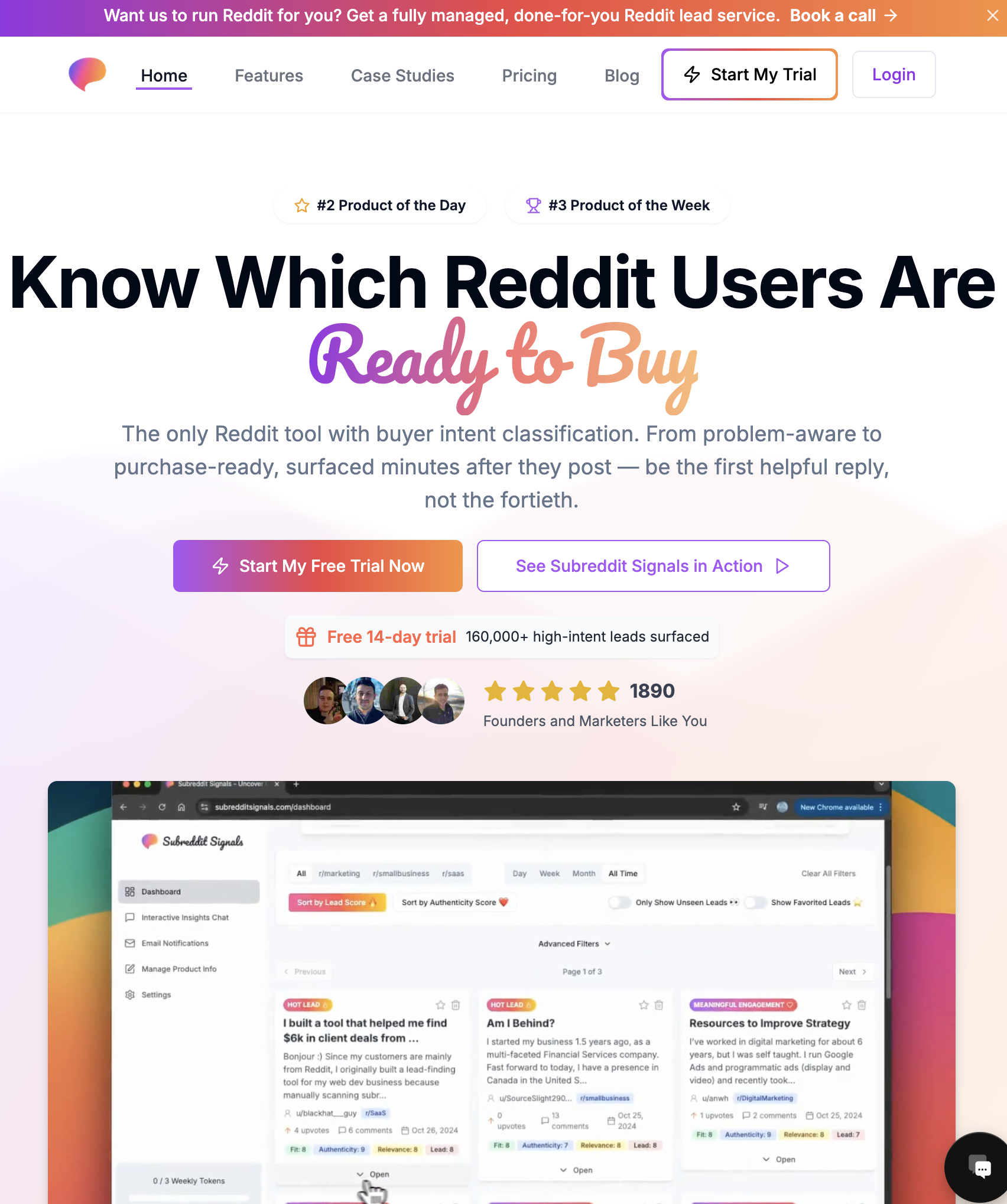
Subreddit Signals uses AI to analyze your product or website URL and return a ranked list of subreddits where your target audience is most likely active. Instead of keyword matching, it scores subreddits by buyer intent — how likely the discussions are to contain people ready to purchase or try a product.
Key features:
URL-based discovery. Paste your product URL and Subreddit Signals analyzes your landing page to understand what you sell, then finds subreddits where that type of product is discussed.
Buyer intent scoring. Each subreddit gets a score indicating how often discussions contain purchase-intent language ("looking for," "any recommendations for," "has anyone tried").
Competitor mention tracking. See which subreddits mention your competitors most frequently.
Post opportunity alerts. Get notified when high-intent posts appear in your target subreddits — e.g., "What's the best tool for X?" threads.
Limitations:
Product-focused. The tool assumes you are finding subreddits to market a product. Researchers or casual users looking for hobby communities will not benefit from buyer-intent scoring.
Database freshness. Scoring depends on historical data. New or rapidly growing subreddits may not be well-represented.
Pricing:
Free tier with limited searches. Paid plans from $29/month.
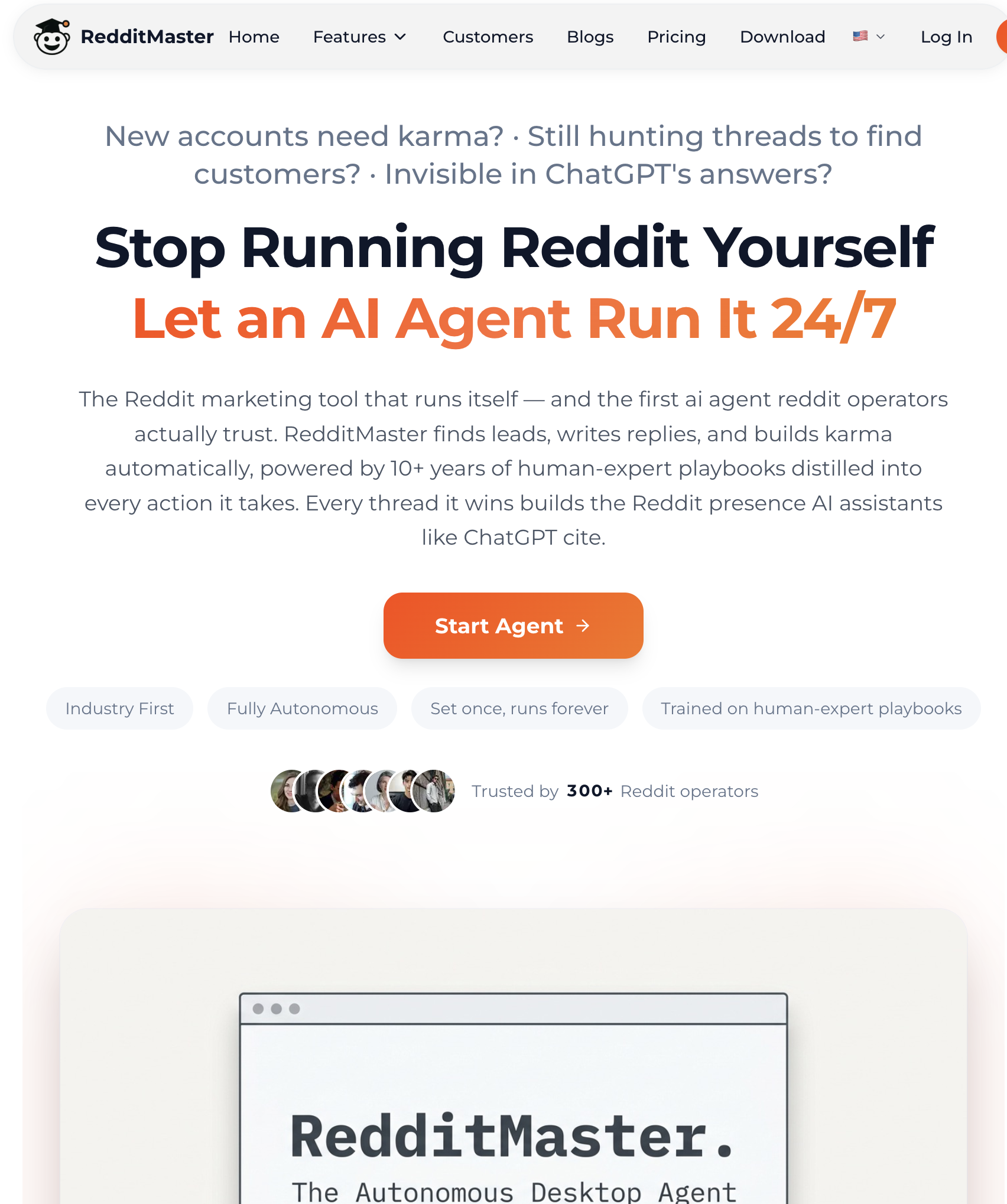
4. RedditMaster
Best for: GummySearch replacement with similar feature set
RedditMaster (redditmaster.com) emerged as one of the primary GummySearch alternatives after GummySearch shut down in November 2025. It offers AI-powered subreddit discovery, keyword monitoring, and audience analysis — covering most of the feature set that GummySearch users lost. For a deeper comparison of GummySearch replacements, see our GummySearch alternatives guide.
Key features:
AI subreddit finder. Describe your topic or product and RedditMaster's AI returns relevant subreddits ranked by relevance and activity.
Keyword + sentiment tracking. Monitor keywords across multiple subreddits and see sentiment trends over time.
Audience insights. For each subreddit, view subscriber growth, posting frequency, top contributors, and common discussion themes.
Content inspiration. Identify trending topics and high-engagement post formats in your target subreddits.
Limitations:
Newer tool. RedditMaster launched after GummySearch's shutdown and is still building out features. Some advanced functionality is in beta.
Reddit API dependent. Like most database tools, it relies on Reddit's API, which has become increasingly expensive and restrictive.
Pricing:
Free tier available. Pro plans from $39/month.
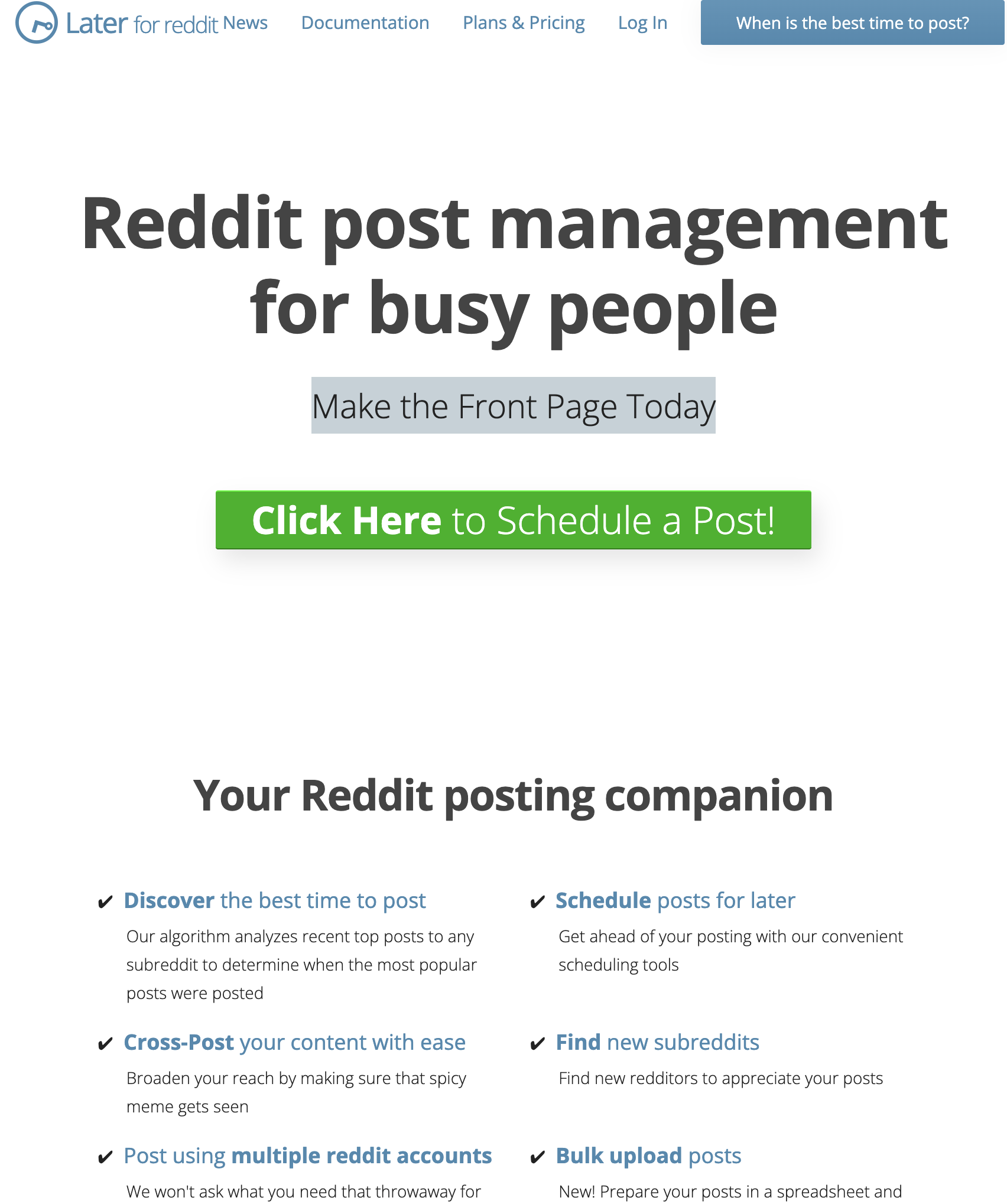
5. Later for Reddit (Subreddit Traffic Tracker)
Best for: Finding the best posting times in specific subreddits
Later for Reddit is not a traditional subreddit finder — it is a subreddit analytics tool that helps you understand when and how communities are most active. This matters for subreddit discovery because "active at the right times" is often more important than raw subscriber count.
Key features:
Post time analysis. For any subreddit, Later for Reddit analyzes historical post performance and shows which hours and days consistently get the highest engagement. This turns a 500K-subscriber subreddit with dead evening traffic into a less attractive target than a 50K-subscriber subreddit with highly engaged weekday morning users.
Cross-subreddit comparison. Compare activity patterns across multiple subreddits to decide which ones are worth your attention.
Free and open. No account required. Enter a subreddit name and get instant analytics.
Limitations:
Not a discovery tool. Later for Reddit analyzes subreddits you already know about. It does not help you find new ones. Use it after discovering candidates with other tools on this list.
Historical data only. The analysis is based on past posting patterns, which may not reflect current community behavior if a subreddit has recently changed moderation rules or experienced growth.
Pricing:
Free.
6. F5Bot
Best for: Free, real-time keyword alerts across Reddit
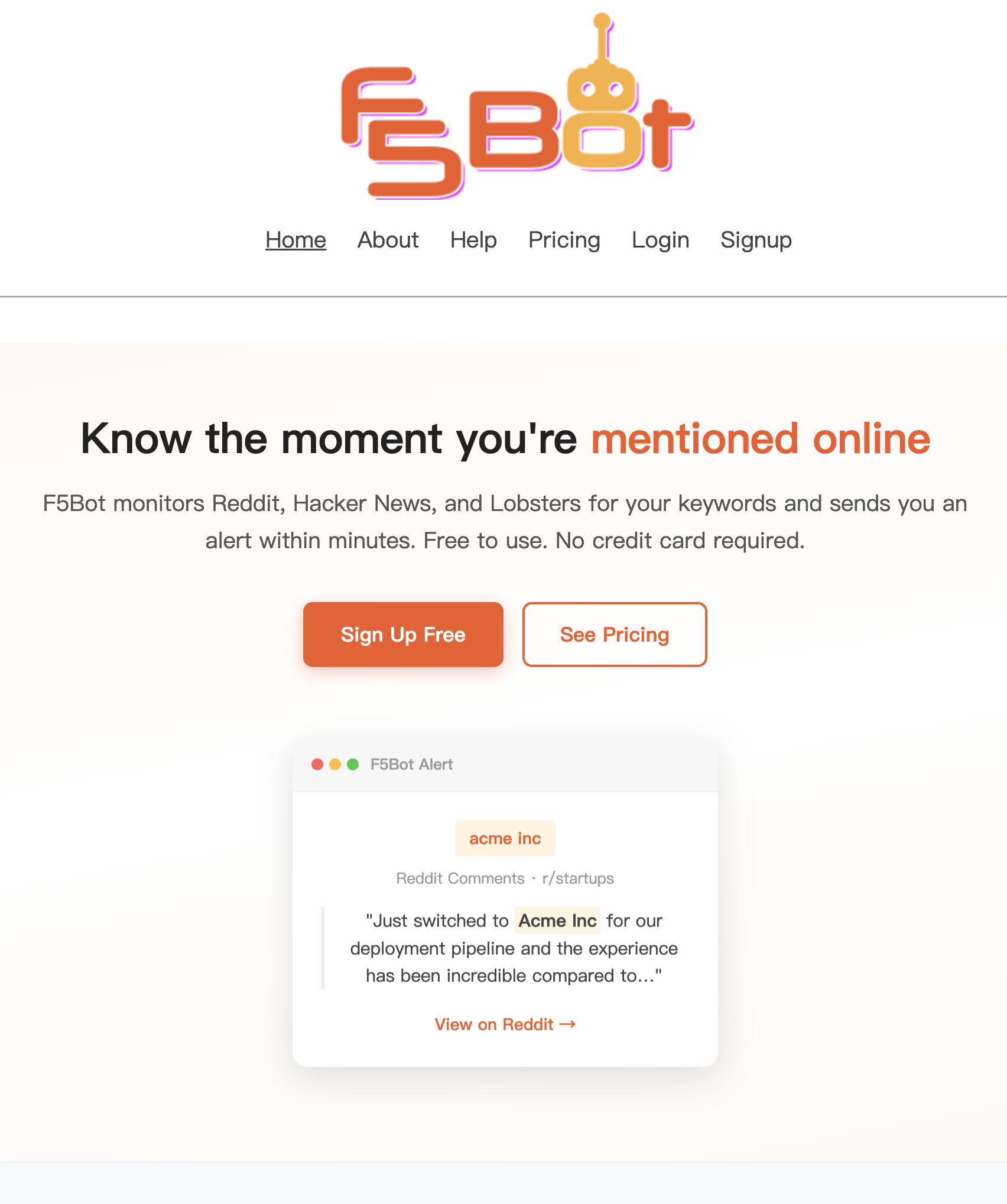
F5Bot is a free monitoring bot that sends you an email or push notification whenever your tracked keywords appear in a Reddit post or comment. While not a subreddit finder per se, it is an excellent discovery tool in practice: track a keyword, and the alerts reveal which subreddits discuss that topic most frequently.
Key features:
Keyword monitoring. Track up to 100 keywords simultaneously. F5Bot scans all of Reddit (not just specific subreddits) and alerts you when your keywords appear.
Subreddit discovery by observation. After a week of monitoring, your alert history shows you exactly which subreddits discuss your topic — and how often. This is organic discovery based on real activity, not a database snapshot.
Email and push notifications. Choose how you want to be alerted. Email is default; push notifications work through the browser.
Completely free. No paid tier, no feature limits beyond the 100-keyword cap.
Limitations:
Passive discovery. You need to wait for alerts to accumulate before you can identify patterns. This takes days or weeks, not minutes.
No analytics. F5Bot tells you where keywords appear. It does not tell you subscriber counts, posting frequency, or community demographics. You need to investigate each subreddit manually.
Maintained by a solo developer. F5Bot has been reliable for years, but it depends on one person's continued maintenance.
Pricing:
Free. No paid plans.
7. Anvaka's Map of Reddit
Best for: Visual exploration of subreddit relationships
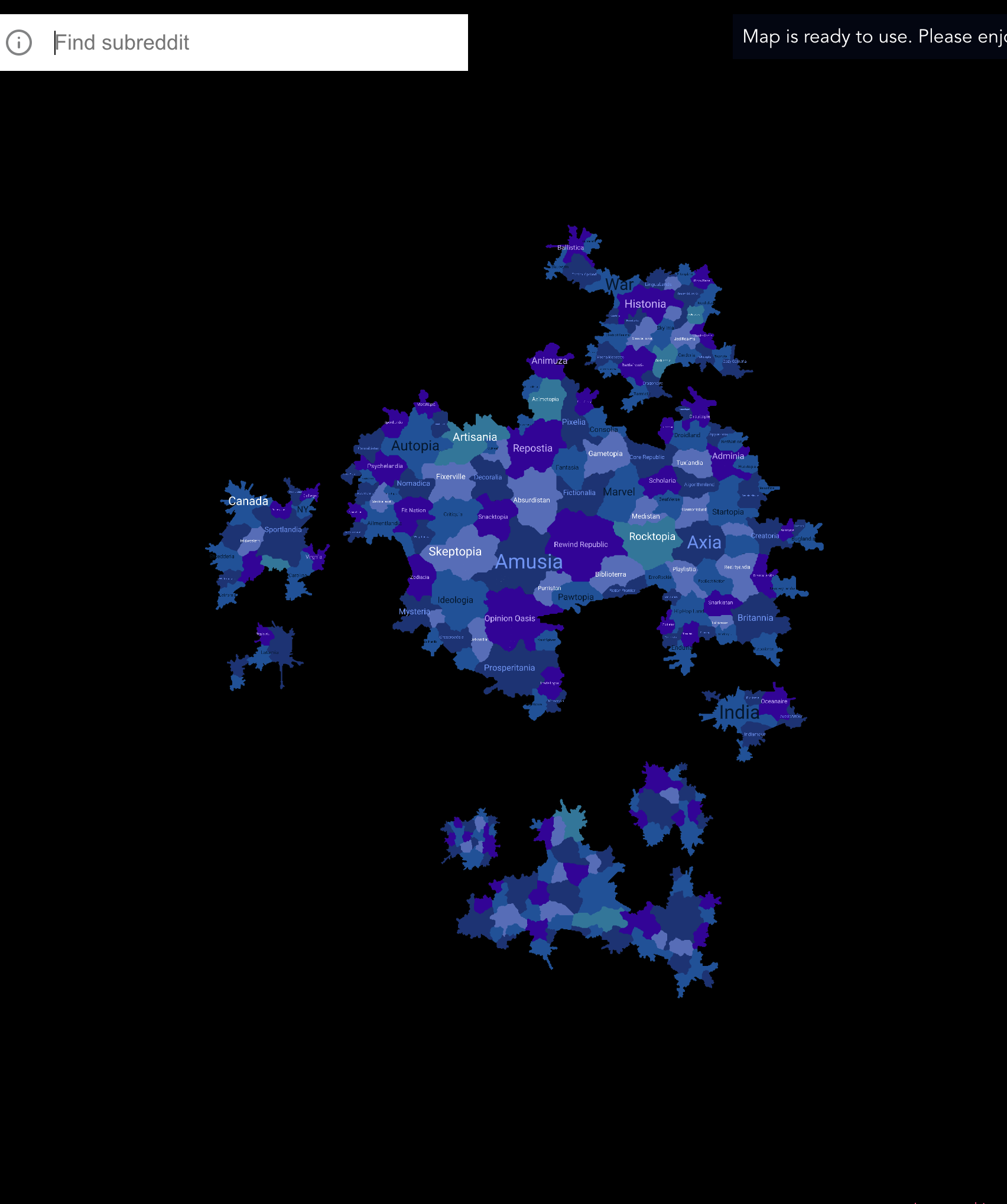
Anvaka's Map of Reddit (anvaka.github.io/map-of-reddit) is an interactive visualization that shows how subreddits are connected based on user overlap — if users who subscribe to r/Python also tend to subscribe to r/learnprogramming, those subreddits appear close together on the map.
Key features:
Visual cluster discovery. Subreddits that share audiences appear as clusters on the map. Click on r/fitness and you see nearby clusters: r/bodyweightfitness, r/running, r/MealPrepSunday, r/loseit. This reveals communities you would never find through keyword search because their names do not match your search terms.
Relationship exploration. Click any subreddit to see its nearest neighbors — the communities most likely to share its audience. This is subreddit discovery by association, not by keyword.
Free and open-source. The entire project is open-source and free to use. No account, no API key, no limitations.
Limitations:
Static dataset. The map is built from a point-in-time snapshot of Reddit's user data. It does not update in real time. Very new subreddits may not appear.
Discovery only. The map shows relationships but does not provide analytics (subscriber growth, posting frequency, sentiment). Use it for discovery, then switch to another tool for analysis.
Can be overwhelming. The visualization contains thousands of subreddits. Without a starting point, it is easy to get lost.
Pricing:
Free. Open-source.
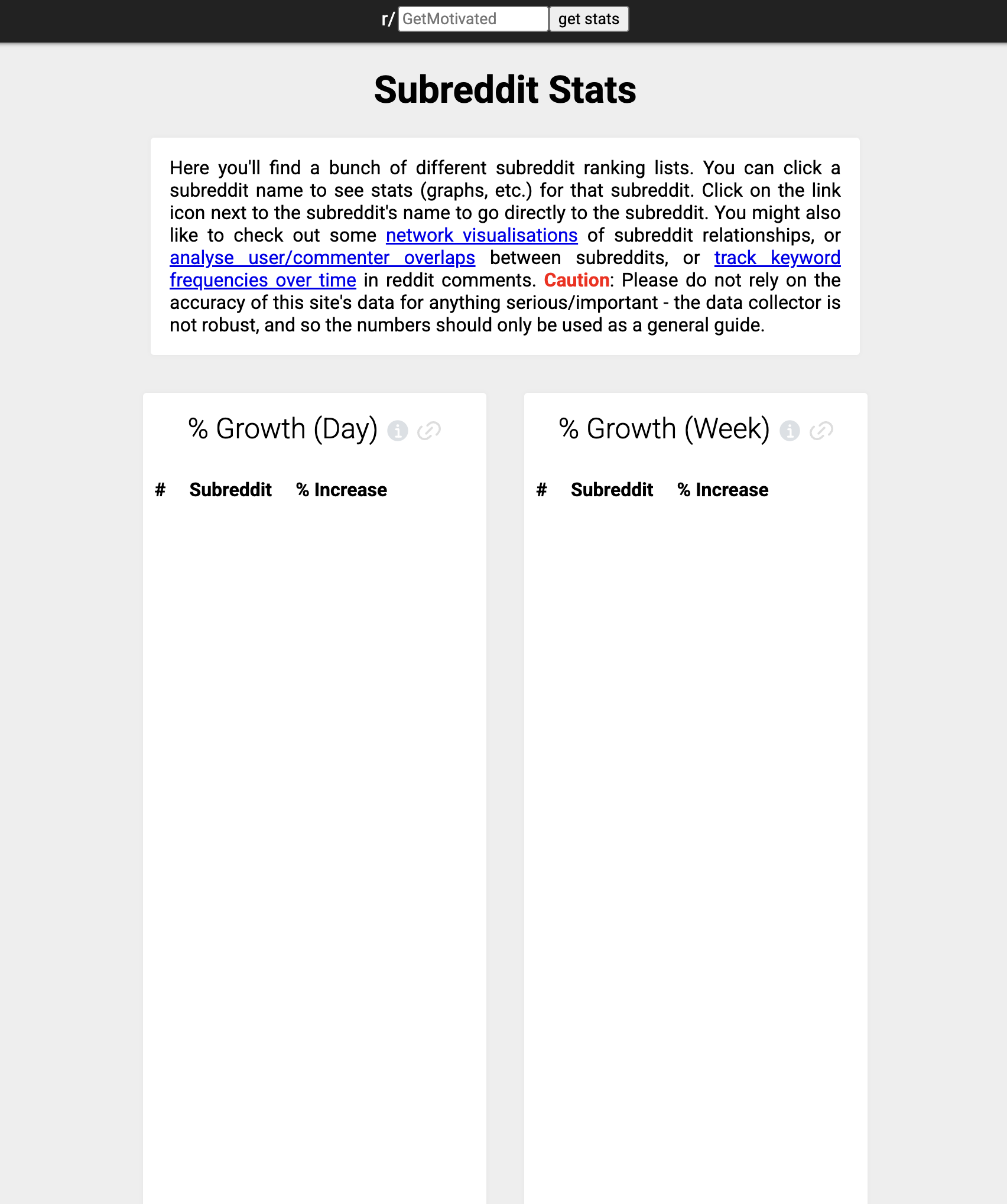
8. Subreddit Stats (subredditstats.com)
Best for: Free subreddit analytics and growth tracking
Subreddit Stats provides free analytics for any public subreddit: subscriber growth, posting frequency, top posts, most active commenters, and related subreddits. Its "related subreddits" feature makes it a simple but effective discovery tool.
Key features:
Related subreddit discovery. For any subreddit, view a list of related communities based on keyword overlap and user crossover. Enter r/investing and find r/stocks, r/bogleheads, r/financialindependence, r/personalfinance — ranked by similarity.
Growth metrics. See subscriber count over time, posts per day, and comments per day. This helps you distinguish growing communities from declining ones.
Top posts and contributors. Understand what content performs best in each subreddit before engaging.
Keyword frequency analysis. See which keywords appear most often in a subreddit's posts and comments — useful for understanding what the community actually talks about versus what its name suggests.
No account required. Enter any subreddit name and get instant analytics.
Limitations:
One subreddit at a time. You need to already know a subreddit name to analyze it. There is no "find subreddits about X" search function — only "show me subreddits related to this one I already know."
Basic interface. The site is functional but visually dated. The data is solid; the presentation is bare-bones.
Pricing:
Free.
Reddit's own search is designed to find content, not communities. If you need to find the right subreddits for marketing, research, or personal interest, you need a dedicated discovery tool.
For most users, the best approach is layered: start with a free tool (Subreddit Stats or Anvaka's Map) to get an initial list, then use a paid tool (SubHunt, Subreddit Signals, or RedditMaster) to qualify and monitor those communities, and add Sai when you need to understand what those communities are actually discussing — not just that they exist.
The subreddit you need is almost certainly out there. Reddit's search will not find it. These tools will.
Try Sai free — discover and analyze Reddit communities.
Stop doing repetitive tasks. Let Sai handle them for you.
Sai is your AI computer use agent — it operates your apps, automates your workflows, and gets work done while you focus on what matters.